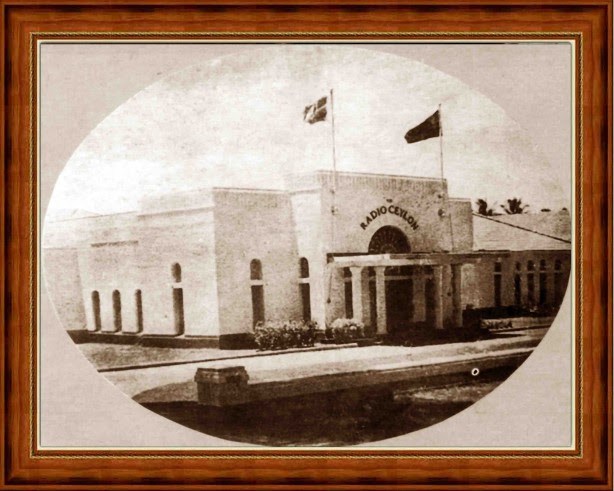
The Broadcasting began on an experimental basis by the colonial Telegraph Department in Ceylon (now Sri Lanka). The first broadcast featured gramophone music, with a transmitter built using salvaged radio equipment from a captured German submarine. The regular broadcasting service, initially called Colombo Radio, was launched on December 16, 1925. This made it the first radio station in Asia and second oldest in the world. Edward Harper, the Chief Engineer at the Telegraph Department, is often called the “Father of Broadcasting in Ceylon”.The , then British Governor Sir Hugh Clifford inaugurated the broadcasting services in Sri Lanka.
It was first known as Ceylon Radio. In 1943 broadcast station premises were shifted from Torrington to a bungalow named Bower in Cotta Road Boralla due to the second World War. During World War II, Radio played a critically important, strategic, and morale-boosting role in Sri Lanka during, primarily through the operation of Radio SEAC (South East Asia Command).The station was taken over by the Allied Forces and operated from Ekala – broadcasting news and programs to Allied forces across South and Southeast Asia led by Admiral Lord Louis Mountbatten. The local radio station was taken over to serve the command’s military and propaganda needs.
The Bower ceased broadcast by midnight of December 30th ,1949.The name changed to Radio Ceylon and the station shifted to from Torrington Square on January 1 st,1950.
The Clifford R Dodd, Australian administrator is regarded as the “father of the commercial broadcasting” in Ceylon, the Commercial Service was launched in 1950. This service became immensely popular, particularly its Hindi Service, which played film songs that were often restricted by All India Radio (AIR). The iconic Binaca Geetmala program was a major hit across the Indian subcontinent.This period is considered the “Golden Era” when Radio Ceylon achieved the status of the “King of the airwaves” in South Asia, with millions of listeners tuning in from across the region due to its powerful shortwave transmitters and engaging programming.
The Department of Broadcasting was transformed into a public corporation named the Ceylon Broadcasting Corporation (CBC) on January 5, 1967, granting it increased autonomy. When Ceylon became the Republic of Sri Lanka in 1972, the station was renamed the Sri Lanka Broadcasting Corporation (SLBC), which is its current name. SLBC gradually moved towards more modern broadcasting methods, including the transition to FM transmission in the 1990s. It continues to operate today, broadcasting on multiple channels in Sinhala, Tamil, and English.
The backup music libraries Sinhala ,English Tamil and Hindi which includes more than Hundred thousands records has been quite often described as the best in Asia dating back to those breakable low fidelity 78rpm records with metadata. Usable substantial materials of the 40s,50s and 60s music on long playing Hi-Fi records are still being used. Thanks to the updated maintenance the Turntables are still usable .Digital Archiving process is one of the ongoing projects in SLBC since 2009 to present .It helps to protect and preserve existing materials for future use.
The expedition’s success turned Hillary and Tenzing into international celebrities almost overnight. Broadcasters and reporters followed their every move, with the first news
reaching the world via radio just hours after their subsequent Antarctic expedition reached the South Pole in 1958. Legendary figures like Sir Edmund Hillary and Tenzing
Norgay were said to have tuned into the All Asia Service (English) of Radio Ceylon after conquering Mount Everest.
The journey of Radio in Sri Lanka, beginning with the Ceylon Radio in 1925, stands as a remarkable testament to broadcasting excellence in South Asia. For nearly a century, from
the colonial era through post-independence development and into the modern digital age, the services—spearheaded by the Sri Lanka Broadcasting Corporation
(SLBC) and its predecessor, Radio Ceylon—has maintained a legacy defined by professionalism, regional dominance, and cultural significance.